
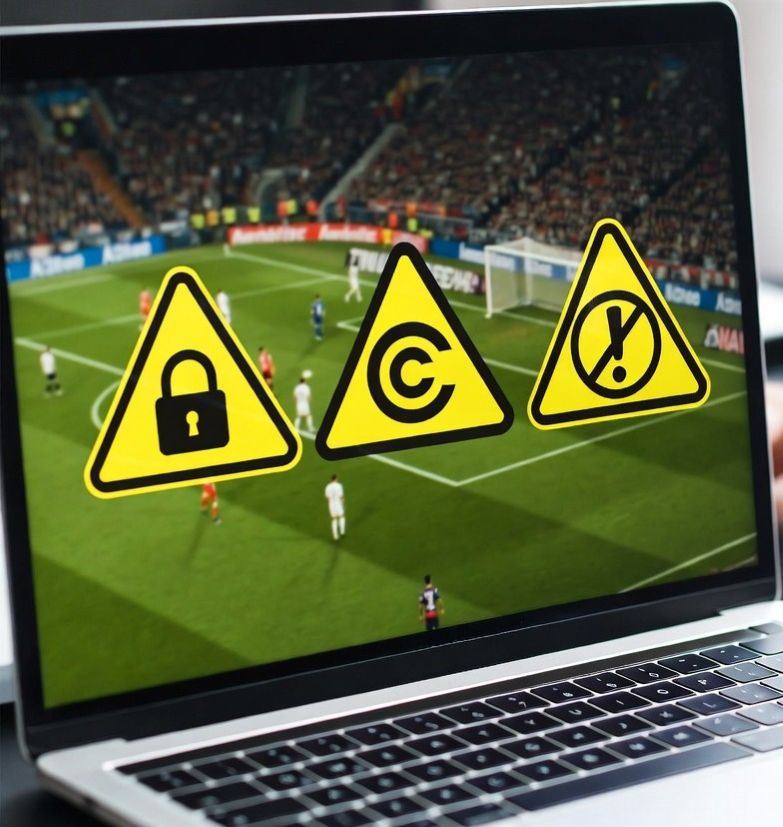
Global sports piracy costs the industry billions of dollars each year, according to estimates from media rights groups and anti-piracy coalitions. Behind every “free” stream lies a complex web of copyright law, licensing agreements, and international enforcement efforts. Yet millions of fans click play without fully understanding the risks.
Unofficial platforms often promote access to premium matches such as EPL Broadcast (EPL중계) without subscription fees. The appeal is obvious. Top-tier football, zero upfront cost, instant access. However, these streams frequently operate without authorization from rights holders. That means viewers may be accessing copyrighted material illegally, even if they never upload or distribute content themselves.
Copyright law protects live sports broadcasts as intellectual property. Leagues sell exclusive rights to air matches in specific countries. For example, the English Premier League grants broadcast rights to networks that pay substantial licensing fees. Those agreements define who can show games, how they are distributed, and in which territories.
Legal streaming happens when a licensed broadcaster or approved digital platform carries the event. Viewers pay through subscriptions, pay-per-view, or ad-supported services that compensate rights holders. Illegal streaming occurs when a platform distributes the same content without permission.
Some users believe watching a stream is harmless because they are not hosting it. Laws differ by country, but in many jurisdictions, knowingly accessing unauthorized copyrighted streams can expose users to legal consequences. Penalties range from warning notices to fines. In rare cases, repeat offenders have faced prosecution.
Sports broadcasting is global, and so is enforcement. Organizations such as the Premier League work with anti-piracy firms to track illegal streams in real time using tools like digital address collection databases, which help investigators find and verify unauthorized domains quickly. Advanced monitoring systems identify unauthorized feeds within minutes of kickoff. Once detected, rights holders issue takedown notices under laws like the Digital Millennium Copyright Act in the United States or similar frameworks in Europe and Asia.
Internet service providers play a key role. Courts in the United Kingdom have granted blocking orders that require ISPs to restrict access to specific piracy domains during live matches. Similar actions have taken place in countries including Singapore and Australia. These orders are often dynamic, meaning new mirror sites can be blocked quickly.
Law enforcement agencies also target operators. In recent years, coordinated raids across Europe shut down large-scale illegal streaming networks that served millions of users. Equipment was seized. Organizers faced criminal charges tied to copyright infringement and fraud. The message is clear. Authorities consider large piracy operations serious crimes.
Most enforcement efforts focus on distributors rather than casual viewers. Still, users are not immune. Some ISPs send warning letters to subscribers whose IP addresses are linked to illegal streaming activity. Repeat notices may lead to service suspension in certain regions.
There are also security risks. Unofficial streaming sites often rely on aggressive advertising, pop-ups, or hidden malware. Cybersecurity experts have warned that these platforms can expose users to phishing attempts and data theft. A free stream may come with hidden costs, from compromised passwords to infected devices.
When fans search for alternative ways to watch an EPL Broadcast, the legal gray areas can feel confusing. Yet the basic rule is simple. If a service does not clearly state it holds official rights, and if it bypasses paywalls tied to licensed networks, it likely operates outside the law.
Broadcast rights are sold through competitive bidding. Networks invest billions for exclusive packages covering live matches, highlights, and digital clips. These deals fund club operations, grassroots development, stadium upgrades, and player salaries. The economic ecosystem depends heavily on these agreements.
Licensed broadcasters recover their investment through subscriptions and advertising. When piracy grows, it weakens that model. Industry reports have linked widespread illegal streaming to revenue losses that can affect smaller clubs most severely. While major teams may weather the impact, lower-tier organizations often rely on shared broadcast income.
Transparency is a strong indicator of legitimacy. Official services explain their pricing and rights. Unofficial platforms often hide ownership details and domain registration data.
Governments continue to strengthen digital copyright enforcement. Courts are issuing faster blocking orders. Technology companies are refining automated takedown systems. Payment processors and ad networks increasingly cut ties with piracy-linked platforms, reducing their revenue streams.
Fans who access EPL Broadcast content through authorized channels support the sport’s long-term sustainability and avoid legal uncertainty. The convenience of a free stream may seem tempting, yet the legal and cybersecurity risks are real.
Free sports streams are rarely free of consequences. Understanding how rights work, how enforcement operates, and how to verify legitimacy helps viewers make informed decisions. Choosing licensed broadcasts protects your device, your data, and the future of the game itself.