How Warranty Laws Protect Gaming Laptop Buyers
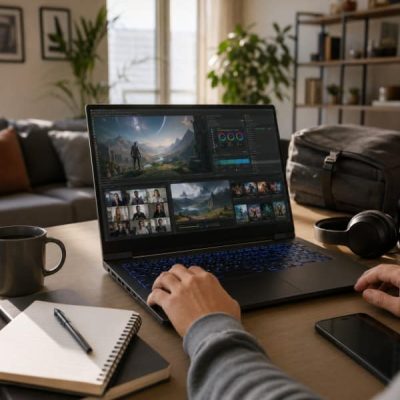
These devices are designed with powerful processors, dedicated graphics cards, high-refresh-rate displays, and advanced cooling systems, making them more expensive than many standard laptops. Because of their cost, buyers often rely on trusted gaming laptop recommendations when choosing a model and expect reliable performance and products that last for years. However, even well-made devices can develop defects or experience hardware failures.
Warranty laws and consumer protection regulations exist to help buyers when problems occur. While the details vary by country and region, these laws generally require sellers and manufacturers to stand behind the products they sell. Understanding how warranties work and what rights you have can help you make informed purchasing decisions and respond effectively if your gaming laptop develops an issue.
What Is a Product Warranty?
If a covered problem arises during the warranty period, the company may repair the device, replace it, or provide another appropriate solution. Most gaming laptops include a limited manufacturer’s warranty that covers defects in materials and workmanship. Warranty periods commonly range from one to two years, although some premium brands offer longer coverage or optional extended warranty plans.
It is important to read the warranty terms before purchasing a laptop so you understand exactly what is covered and what is excluded.
Protection Against Manufacturing Defects
One of the primary purposes of warranty laws is to protect consumers from manufacturing defects. These are problems that exist because of faults during the design or production process rather than user actions. Examples of manufacturing defects may include:
- A keyboard with non-functioning keys
- A display that develops dead pixels shortly after purchase
- A cooling fan that fails under normal use
- A battery that stops charging because of a factory defect
- A graphics card that experiences hardware failure within the warranty period
If these issues occur while the warranty is still valid, consumers generally have the right to request service according to the warranty terms.
The Importance of Proof of Purchase
Warranty claims usually require proof that you purchased the product from an authorized retailer. Receipts, invoices, and order confirmations are commonly accepted as evidence of purchase.
Some manufacturers also recommend registering your gaming laptop after purchase, although registration is not always required for warranty coverage. Maintaining accurate records makes it easier to verify the warranty period and confirm ownership.
Understanding Limited Warranties
Most gaming laptops are sold with limited warranties rather than full warranties. A limited warranty specifies exactly which problems are covered and under what conditions. For example, the warranty may cover hardware failures but exclude accidental damage, liquid spills, drops, unauthorized repairs, or damage caused by improper use. Cosmetic scratches and normal wear over time are also commonly excluded. Reading these limitations carefully helps buyers understand their responsibilities and avoid actions that could void the warranty.
Consumer Rights Beyond the Warranty
In many regions, consumer
protection laws provide rights that go beyond the manufacturer’s written warranty. These laws often require products to be of acceptable quality, match their advertised descriptions, and function as reasonably expected.
If a gaming laptop develops a serious defect shortly after purchase, consumers may have legal rights to a repair, replacement, or refund even if the manufacturer disputes the issue. Because consumer protection laws differ between countries, it is helpful to understand the regulations that apply where you live before making a purchase.
Extended Warranties and Protection Plans
Many retailers offer extended warranties or protection plans for an additional cost. These plans typically extend coverage beyond the manufacturer’s warranty and may include services such as accidental damage protection or priority repairs.
Before purchasing an extended warranty, compare the additional coverage with the standard warranty already included with the laptop. However, not every buyer will need additional coverage, so reviewing the terms carefully is important.
What to Do If a Problem Occurs
If your gaming laptop develops a hardware issue during the warranty period, taking the right steps can help the claim process go more smoothly. Start by documenting the problem. Record when the issue began, note any error messages, and take photos or videos if the defect is visible. Contact the retailer or manufacturer as soon as possible and provide accurate information about the problem.
Follow any troubleshooting instructions provided by customer support, but avoid attempting repairs yourself unless specifically authorized. Opening the laptop or replacing certain components without approval could affect warranty coverage on some models. Keeping communication records, including emails and service request numbers, can also be helpful if the claim requires follow-up.
Buying From Authorized Retailers
Purchasing a gaming laptop from an authorized retailer offers several advantages. Authorized sellers typically provide genuine products backed by valid manufacturer warranties. Buying from unofficial sellers or unknown online marketplaces may increase the risk of receiving refurbished, counterfeit, or imported products with limited warranty support. In some cases, manufacturers may refuse warranty service if the device was not purchased through approved sales channels. Checking a retailer’s reputation before buying can help reduce these risks.
Common Warranty Misunderstandings
Many consumers assume that every problem with a gaming laptop is automatically covered under warranty. In reality, warranties have specific conditions and exclusions. For example, damage caused by accidental drops, liquid spills, power surges, or unauthorized modifications is often excluded. Similarly, replacing components with incompatible parts or attempting repairs without approval may affect warranty eligibility. Understanding these limitations helps buyers avoid unexpected surprises if they need service later.
Protecting Your Investment
Besides relying on warranty coverage, there are practical steps buyers can take to extend the life of their gaming laptops. Using a protective carrying case, cleaning air vents regularly, keeping software updated, and avoiding extreme temperatures all help maintain reliable performance. Proper care reduces the likelihood of preventable damage while supporting long-term system stability. Although warranties provide important protection, careful maintenance remains the best way to keep a gaming laptop operating efficiently for years.
Conclusion
Warranty laws play an important role in protecting gaming laptop buyers by ensuring manufacturers and retailers take responsibility for qualifying product defects. They provide consumers with access to repairs, replacements, or other remedies when hardware fails under normal use, helping reduce the financial risk of purchasing high-value technology.
Understanding warranty terms, keeping proof of purchase, and buying from authorized retailers all make it easier to benefit from these protections if problems arise. At the same time, consumers should remember that warranties have limits. Knowing what is covered, what is excluded, and how local consumer protection laws apply can help you make better purchasing decisions and avoid unnecessary disputes.